Key Takeaways
The Fall of Mission Drishti: Solar Storms and OptoSAR
- GalaxEye lost communication with its first OptoSAR satellite after a geomagnetic solar storm disrupted critical onboard systems
- The startup plans to launch two replacement satellites within 24 months using lessons learned from Mission Drishti
- India's spacetech sector continues to attract investment, with Skyroot recently becoming the country's first spacetech unicorn at $60M funding
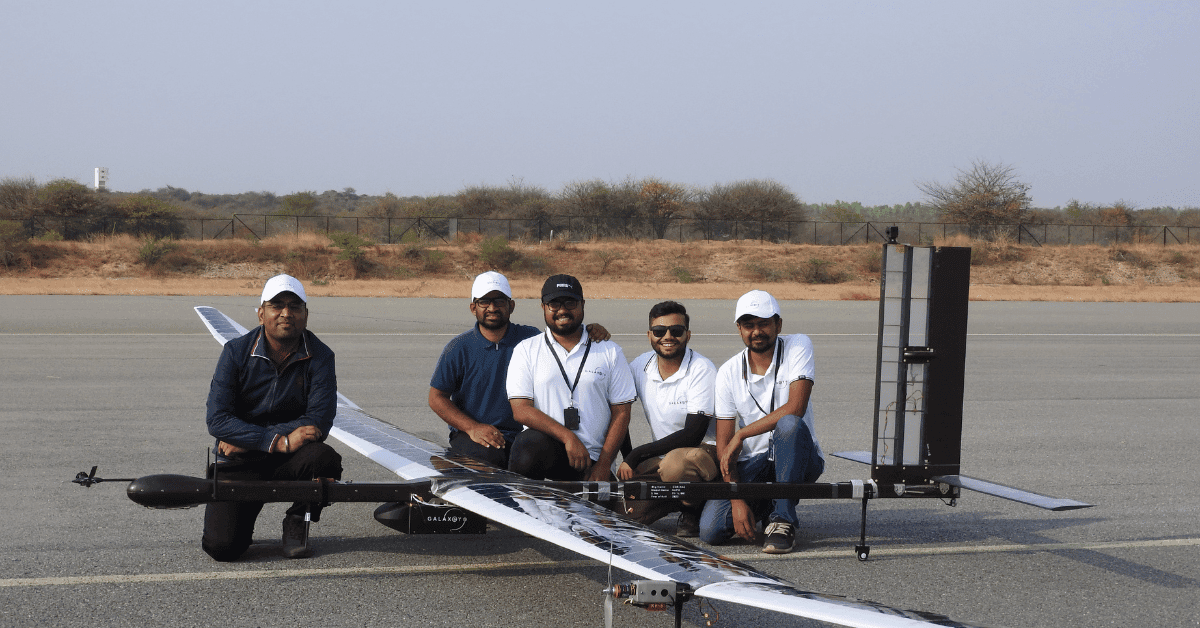
GalaxEye, a Bengaluru-based spacetech startup, has lost contact with its first satellite months after launch. The company attributes the failure to radiation effects from a severe geomagnetic solar storm that knocked out a critical onboard system during the final phase of orbital operations.
The satellite, part of Mission Drishti, was designed to test GalaxEye's hybrid OptoSAR technology. This approach combines optical imaging with synthetic aperture radar to capture Earth imagery through clouds, at night, and in any weather. For the startup, which has raised $27 million to date, the loss represents a setback in its bid to prove its technology works in orbit.
What happened to the satellite?
GalaxEye said the spacecraft completed most of its Launch and Early Orbit Phase successfully. The company validated deployment systems, onboard computing, and communications before losing the connection. Initial analysis points to radiation from an extreme space weather event that damaged a critical component.
“While the satellite experienced an anomaly following an extreme space weather event, the mission has provided invaluable engineering insights that will directly strengthen our future missions.”
— Suyash Singh, GalaxEye CEO and co-founder
Solar storms pose a known risk to satellites. Geomagnetic disturbances can induce electrical currents in spacecraft systems, corrupt memory, and damage sensitive electronics. Designing radiation-hardened components adds cost and weight, so smaller satellites often fly with less protection than their larger counterparts.
What does GalaxEye do next?
The startup is not stepping back. GalaxEye plans to launch two new OptoSAR satellites within 24 months. The company says it will expand in-house capabilities and apply lessons from Mission Drishti to improve quality, reliability, and execution.
The mission did test GalaxEye's Mission Control Centre in Bengaluru, giving the team operational experience before the satellite failed. That infrastructure remains intact for future launches.
GalaxEye recently raised Rs 44.2 crore from existing investors in an extended Series A round. Backers include Anicut Capital, Faad Network, and Speciale Invest. The company, founded in 2021 by Singh along with Denil Chawda, Kishan Thakkar, Pranit Mehta, and Rakshit Bhatt, is building Earth observation capabilities for defence, agriculture, infrastructure monitoring, and disaster response.
Indian spacetech sees growing momentum
GalaxEye's setback comes as India's private space sector gains traction. The market is projected to reach $21 billion by 2030, growing at 11.2% annually from 2024.
Skyroot Aerospace recently became India's first spacetech unicorn after raising $60 million from Sherpalo Ventures and Singapore's GIC. The company is preparing its maiden orbital mission, Aagaman, with a launch window between July 12 and August 4. Its Vikram-1 rocket would mark the first orbital launch by a private Indian company if successful.
Meanwhile, Pixxel has partnered with AI startup Sarvam to build orbital AI data centers powered by Sarvam's foundational models. The combination of space infrastructure and AI processing represents a new frontier for Earth observation companies looking to deliver insights, not just imagery.
Why OptoSAR matters
Traditional optical satellites produce detailed images similar to photographs. The limitation: clouds and darkness block the view. Synthetic aperture radar uses radio waves to see through weather and work at night, but the data requires more processing and interpretation.
GalaxEye's approach fuses both sensor types on a single platform. The goal is all-weather, 24-hour Earth monitoring without the gaps that force customers to wait for clear conditions or rely on multiple satellite providers.
Proving this technology works in orbit is the startup's core challenge. Mission Drishti was supposed to demonstrate that. The loss means GalaxEye must wait for its next satellites to establish that credibility.
Logicity's Take
For fintech and finance teams evaluating spacetech investments or partnerships, this incident highlights the sector's inherent execution risk. GalaxEye's $27 million in funding gives it runway for two more attempts, but the timeline to revenue-generating operations just extended by at least two years. The company's competitors in Earth observation, including Planet Labs, Maxar, and India's Pixxel, all have operational satellites. GalaxEye's differentiation depends on OptoSAR working at scale, which remains unproven. Investors tracking India's spacetech boom should weight operational milestones heavily against announced capabilities.
Frequently Asked Questions
What caused GalaxEye's satellite to fail?
GalaxEye attributes the loss to radiation effects from a severe geomagnetic solar storm that damaged a critical onboard system during the final phase of orbital operations.
What is OptoSAR technology?
OptoSAR combines optical imaging with synthetic aperture radar on a single satellite platform, enabling Earth observation through clouds and at night without the limitations of either sensor type alone.
How much funding has GalaxEye raised?
GalaxEye has raised approximately $27 million to date, including a recent Rs 44.2 crore extension to its Series A round from investors like Anicut Capital, Faad Network, and Speciale Invest.
When will GalaxEye launch its next satellite?
The company plans to launch two new OptoSAR satellites within the next 24 months.
Who is India's first spacetech unicorn?
Skyroot Aerospace became India's first spacetech unicorn in 2025 after raising $60 million from Sherpalo Ventures and GIC.
How Indian startups are returning value to employees amid sector growth
Need Help Implementing This?
If you're tracking the Indian startup ecosystem for investment or partnership opportunities, reach out to Logicity's research team for sector-specific briefings and due diligence support.
Source: Inc42 Media / Palak Sharma
Huma Shazia
Senior AI & Tech Writer
Produced with AI assistance and reviewed by the Logicity editorial team. Learn more in our Editorial Policy.