Key Takeaways

- Flipkart's latest $50 million ESOP buyback lets employees cash out 5% of vested options at Rs 713.4 per share
- Since 2018, Flipkart has returned roughly $1.5 billion to employees through stock liquidity programs
- BrowserStack, CoinDCX, Unacademy, and five other startups have announced buybacks in the past six months
Flipkart has opened its second ESOP liquidity window in twelve months, allocating $50 million for employees to sell up to 5% of their vested stock options at Rs 713.4 per share. Payouts will hit bank accounts in August. The move continues a pattern: since Walmart acquired the company in 2018, Flipkart has distributed roughly $1.5 billion to employees through share buybacks and liquidity events.
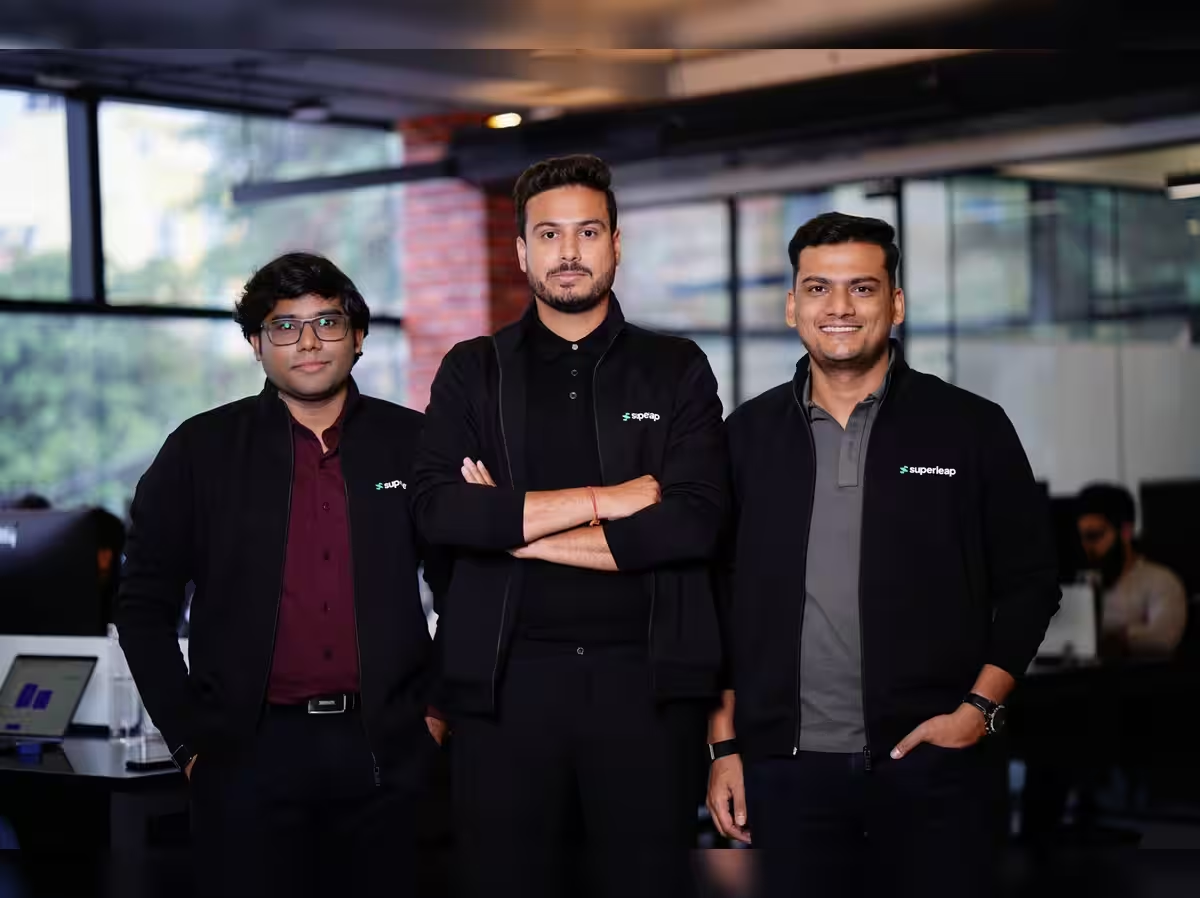
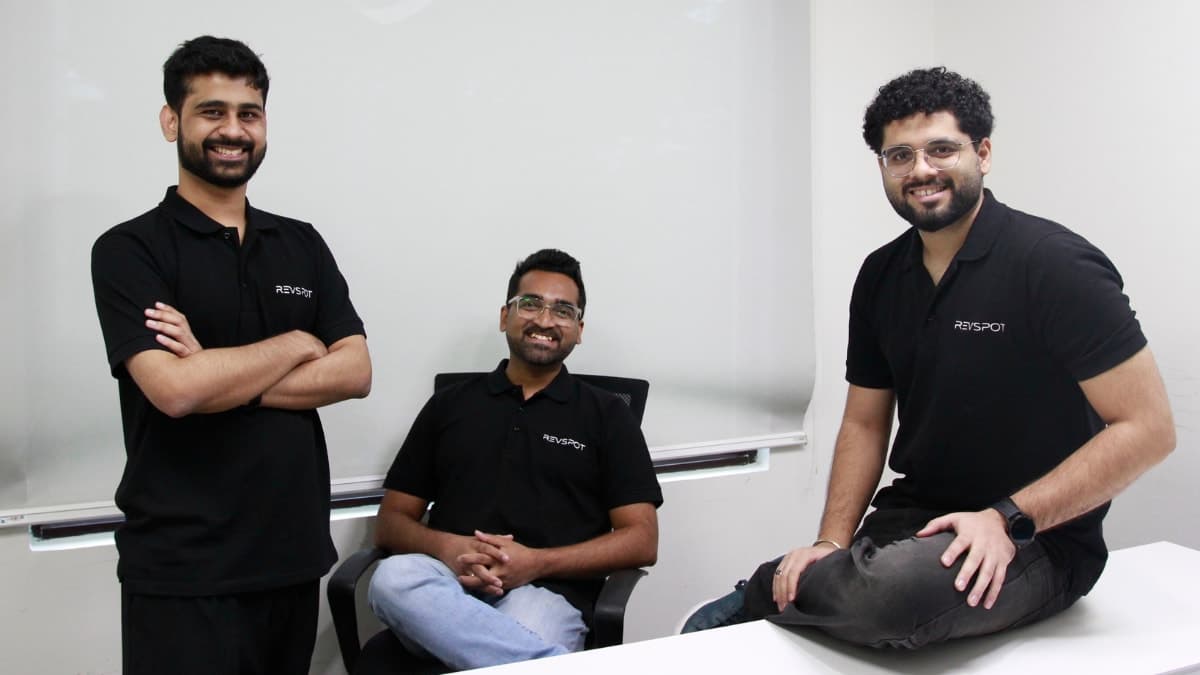
Flipkart is not alone. At least seven other Indian startups have announced ESOP buybacks or liquidity programs in the past six months, spanning ecommerce, SaaS, fintech, crypto, edtech, and travel. The trend signals a shift in how private companies think about employee compensation. When an IPO is years away or uncertain, buybacks become the primary way to convert paper wealth into cash.
What does Flipkart's buyback actually offer?
Employees who joined before 2022 and have vested options accumulated over the past three years can participate. The 5% cap means this is not a full exit. Someone holding 10,000 vested options can sell 500, netting around Rs 3.57 lakh before taxes. Flipkart frames this as a conditional second tranche, triggered because the company hit undisclosed performance goals set during last July's first $50 million buyback.
That first round reportedly covered 7,000 to 7,500 employees. The company has not disclosed how many are eligible this time, but the corpus and per-option price are identical. Between the two events, Flipkart is putting $100 million into employee hands within a single year.
Flipkart's liquidity history since Walmart
The current buyback is part of a longer sequence. Flipkart has executed at least five major liquidity events since 2018:
The cumulative total exceeds $1.5 billion. No other Indian startup comes close. The PhonePe separation alone unlocked $700 million for employees, a single event larger than most entire buyback programs elsewhere.
How do other startups compare?
BrowserStack announced a $125 million share buyback in January, the largest by an Indian-origin SaaS company this year. Nearly 500 employees were eligible. Across three programs, BrowserStack has now returned roughly $275 million to employees and early investors. The company has remained profitable and private, funding buybacks from its own balance sheet rather than fresh investor capital.
CoinDCX, the crypto exchange last valued at $2.45 billion after a Coinbase investment, announced a Rs 111 crore (approximately $13 million) ESOP buyback in February. Over 500 current and former employees could participate. For a sector that saw mass layoffs in 2022 and 2023, the buyback was a statement of stability.
Unacademy's Rs 50 crore buyback in February carried a different subtext. The edtech company had recently restructured, cutting staff and then reversing controversial changes to its ESOP policy. Eight employees received over Rs 1 crore each, and 38 received over Rs 10 lakh. The program read partly as retention, partly as damage control.
| Company | Buyback Amount | Employees Covered | Date |
|---|---|---|---|
| Flipkart | $50 million | Undisclosed | 2025 |
| BrowserStack | $125 million | ~500 | January 2025 |
| CoinDCX | Rs 111 crore (~$13M) | 500+ | February 2025 |
| Unacademy | Rs 50 crore (~$6M) | ~60 major payouts | February 2025 |
| Plum | Rs 15 crore (~$1.8M) | 199 | June 2025 |
| Atlys | Rs 4 crore (~$480K) | Undisclosed | April 2025 |
| Cashfree | Undisclosed | 400+ | January 2025 |
Smaller players are joining the trend
Plum, an employee health benefits platform, announced a Rs 15 crore buyback in June. The program covered 73 current and 126 former employees, with 17 expected to receive payouts exceeding Rs 20 lakh. The timing mattered. Plum had closed a $20.5 million Series B led by Peak XV Partners just three months earlier. Fresh funding often precedes buybacks because it resets the company's valuation and provides cash reserves.
Atlys, a visa processing startup, ran its first ESOP buyback in April, worth Rs 4 crore. Employees could sell up to 25% of their vested options. The company had raised $36 million the month before from Susquehanna Asia VC, Elevation Capital, Peak XV, and MakeMyTrip. Even at a modest Rs 4 crore, the buyback established a precedent for future events.
Cashfree, a payments company, announced a buyback in January covering over 400 employees, including 175 former employees. The company did not disclose the size or the valuation used, a common approach when the numbers are less flattering or when founders want flexibility in future rounds.
Why are buybacks becoming standard?
The IPO window for Indian startups has been narrow. Zomato and Nykaa went public in 2021, but the years since have been quieter. Flipkart has delayed its listing repeatedly. PhonePe is expected to file eventually. For employees holding vested options, this means waiting indefinitely for liquidity that may never arrive at the valuations they expected.
Buybacks solve this problem partially. They let employees convert some portion of their equity into cash without an exit event. For companies, the tradeoff is straightforward: spending cash now to retain talent that might otherwise leave for a startup or public company offering immediate compensation.
The typical vesting schedule in Indian startups runs three to four years. An employee who joined in 2021 and stayed through layoffs and down rounds now has fully vested options. Without a buyback, those options are worth nothing until acquisition or IPO. Companies that offer liquidity windows are effectively saying: your loyalty has a price, and we will pay it.
Logicity's Take
The trend tells us something about India's private market maturity. When IPOs were abundant, ESOPs were a cheap way to compensate employees with future upside. Now that exits are scarce, those same ESOPs become retention liabilities. Flipkart's $1.5 billion in cumulative buybacks dwarfs everyone else, but the fact that sub-$100 million startups like Atlys are running buybacks suggests this is becoming table stakes for talent. Founders planning ESOP pools should model buyback scenarios into their cash flow projections. The alternative is watching senior engineers leave for companies that do.
Frequently Asked Questions
What is an ESOP buyback?
An ESOP buyback is when a company offers to purchase vested employee stock options for cash, giving employees liquidity before an IPO or acquisition. The company sets the price per option and typically caps how much each employee can sell.
How much can Flipkart employees sell in the 2025 buyback?
Employees can sell up to 5% of their vested stock options accumulated over the past three years, at Rs 713.4 per option. Payouts are scheduled for August 2025.
Which Indian startup has done the largest ESOP buyback?
Flipkart holds the record with over $1.5 billion in cumulative buybacks since 2018. The largest single event was the $700 million buyback following PhonePe's separation in July 2023.
Do former employees qualify for ESOP buybacks?
Some companies include former employees. Cashfree's January buyback covered 175 former employees, and Plum's June program included 126 former employees whose options had vested before they left.
Why are Indian startups offering buybacks instead of waiting for IPO?
The IPO window has been limited since 2021. Buybacks let companies provide partial liquidity to retain talent that might otherwise leave for employers offering immediate cash compensation.
Need Help Implementing This?
If you're designing an ESOP program or planning a buyback for your startup, Logicity can connect you with legal and compensation advisors who specialize in Indian private company equity. Reach out through our contact page.
Source: Tech-Economic Times / ET
Manaal Khan
Tech & Innovation Writer
Produced with AI assistance and reviewed by the Logicity editorial team. Learn more in our Editorial Policy.