Key Takeaways

- Plants vs. Zombies launched May 5, 2009 at $20 and earned 94% from PC Gamer
- The game defied tower defense conventions with unique mechanics that felt genre-defining
- PC Gamer's editor has logged over 200 hours, mostly in the Zen Garden mode
PC Gamer dug through its archives and replanted a 2009 review of Plants vs. Zombies. The original appeared in issue #200 of the UK magazine, written by Tom Francis, who has since become a game developer himself. Reading it now feels like opening a time capsule from the moment casual gaming and hardcore strategy collided.
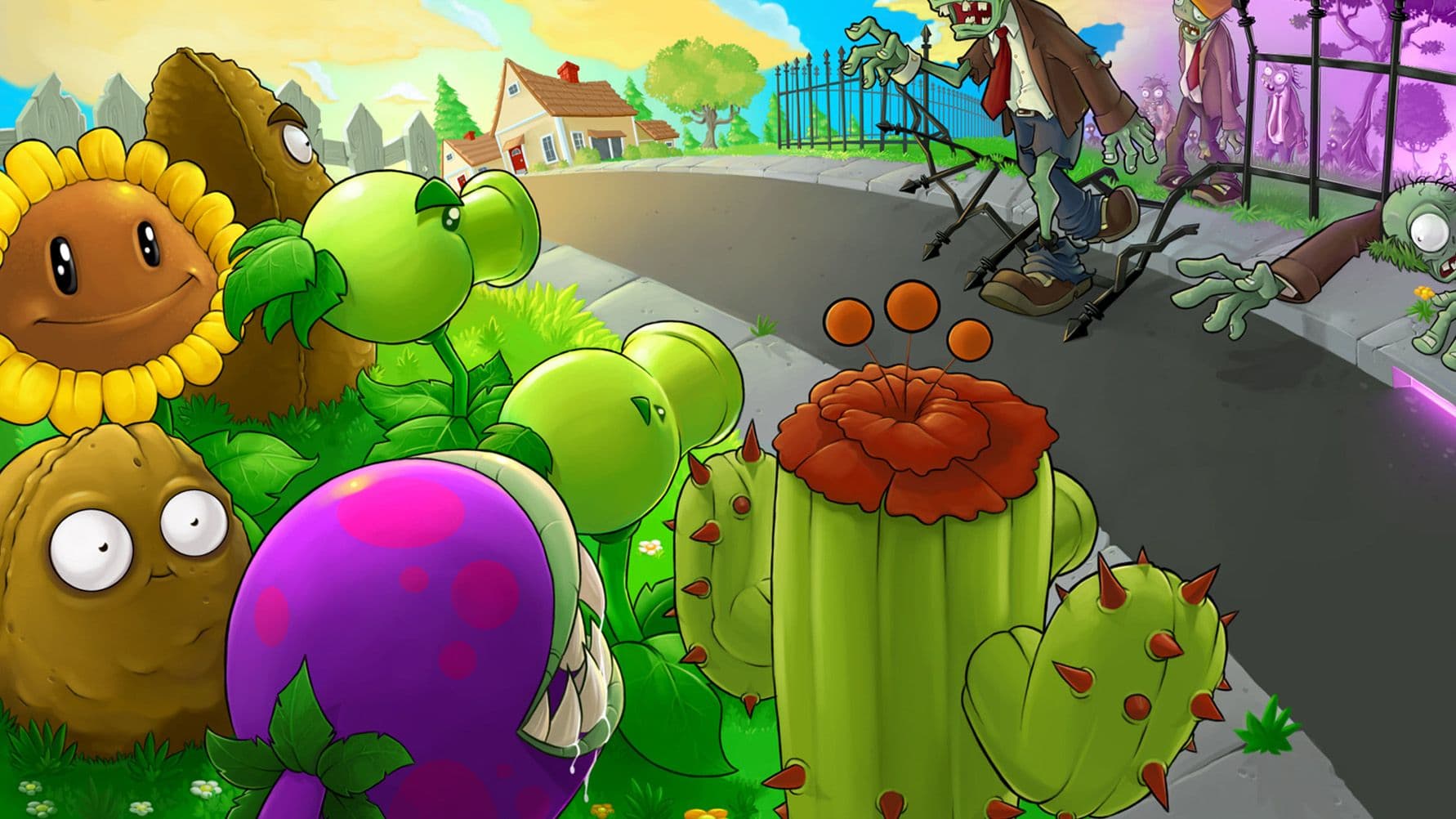
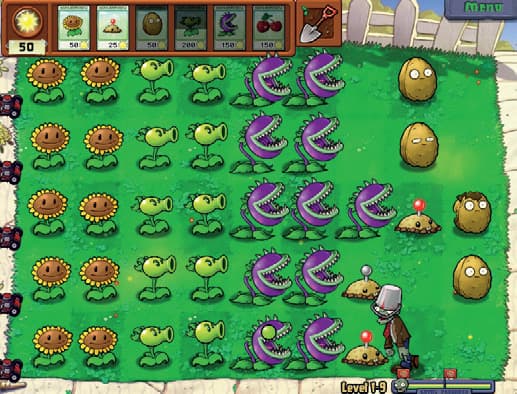
The premise was simple. Zombies cross your lawn to eat your brains. You plant sunflowers to generate sunlight, then spend that sunlight on plants that shoot, freeze, trap, or explode the undead hordes. PopCap wanted to call it Lawn of the Dead, but legal issues killed that name.
The Original Verdict: 94%
Francis scored Plants vs. Zombies 94% in 2009. The game launched on May 5 at $20. It required a 1.2GHz CPU, 256MB of RAM, and a DirectX 8 GPU. Those specs feel quaint now, but the gameplay holds up.
The review noted something important: Plants vs. Zombies didn't fit neatly into the tower defense genre. Zombies won't navigate around obstacles. Your plants shoot in straight lines only. You start with limited plant types. These constraints sound limiting, but they created something fresh.
“Plants vs. Zombies belongs to no genre I know, and it's casual only in the sense that it's easy to understand. There's nothing casual about the [gameplay].”
— Tom Francis, PC Gamer Issue #200 (May 2009)
Francis called it "genuinely one of the most exciting games I've played this year." Coming from a reviewer who would later create Gunpoint and Heat Signature, that praise carries weight.

200 Hours in the Zen Garden
The editor's note accompanying the archive piece reveals something about the game's staying power. She's logged over 200 hours, "probably most of them tending my Zen Garden." The Zen Garden was a side mode where players grew plants for coins. It sounds tedious. It became an addiction.
She also admits to installing Steam on a work PC in 2009 to play during boring afternoons. Plants vs. Zombies was that compelling. It turned office workers into secret gardeners.
PopCap Abandoned PC, Then Came Back
The editor didn't forgive PopCap for abandoning PC after Peggle and Plants vs. Zombies became hits. Then she did forgive them. The reason: Plants vs. Zombies Replanted.
Replanted overhauled the original just enough to work beautifully on Steam Deck. The editor put 60 more hours into it. She also revisited the original and concluded she might score it higher than Francis did in 2009.

Why the Review Still Matters
Archive reviews serve a purpose beyond nostalgia. They show how games were received before sequels, remasters, and mobile ports complicated their legacies. Plants vs. Zombies spawned a franchise that includes free-to-play mobile games, multiplayer shooters, and the recent Replanted version. The 2009 original existed before any of that.
Francis captured a game at its purest. No microtransactions. No season passes. Just a $20 purchase and a lawn full of zombies.



Logicity's Take
The Technical Baseline
The 2009 specs list tells its own story. A 1.2GHz processor. 256MB of RAM. DirectX 8 graphics. The "recommended" specs were described as "slightly more than that." PopCap built games that ran on anything. That accessibility drove adoption.
No multiplayer existed in the original. The game was a single-player experience, which seems almost radical now. No social features. No leaderboards. Just you, your plants, and the shambling hordes.
Frequently Asked Questions
What score did PC Gamer give Plants vs. Zombies in 2009?
Tom Francis scored it 94% in PC Gamer issue #200, published in May 2009.
How much did Plants vs. Zombies cost at launch?
The game launched at $20 on May 5, 2009.
What was Plants vs. Zombies almost called?
PopCap wanted to name it Lawn of the Dead, but legal issues prevented that.
Is Plants vs. Zombies available on Steam Deck?
Yes. Plants vs. Zombies Replanted is an overhauled version that plays well on Steam Deck.
Who wrote the original Plants vs. Zombies review?
Tom Francis, who later became a game developer known for Gunpoint and Heat Signature.
Another look at indie developers creating unexpected hits
Need Help Implementing This?
Source: PCGamer latest
Manaal Khan
Tech & Innovation Writer
Produced with AI assistance and reviewed by the Logicity editorial team. Learn more in our Editorial Policy.