Key Takeaways

- OpenAI plans to launch a ChatGPT-focused phone with mass production starting early 2027
- The device will use a customized MediaTek Dimensity 9600 chip with enhanced image processing
- Shipment targets of 30 million units through 2028 would put it near Samsung flagship sales numbers
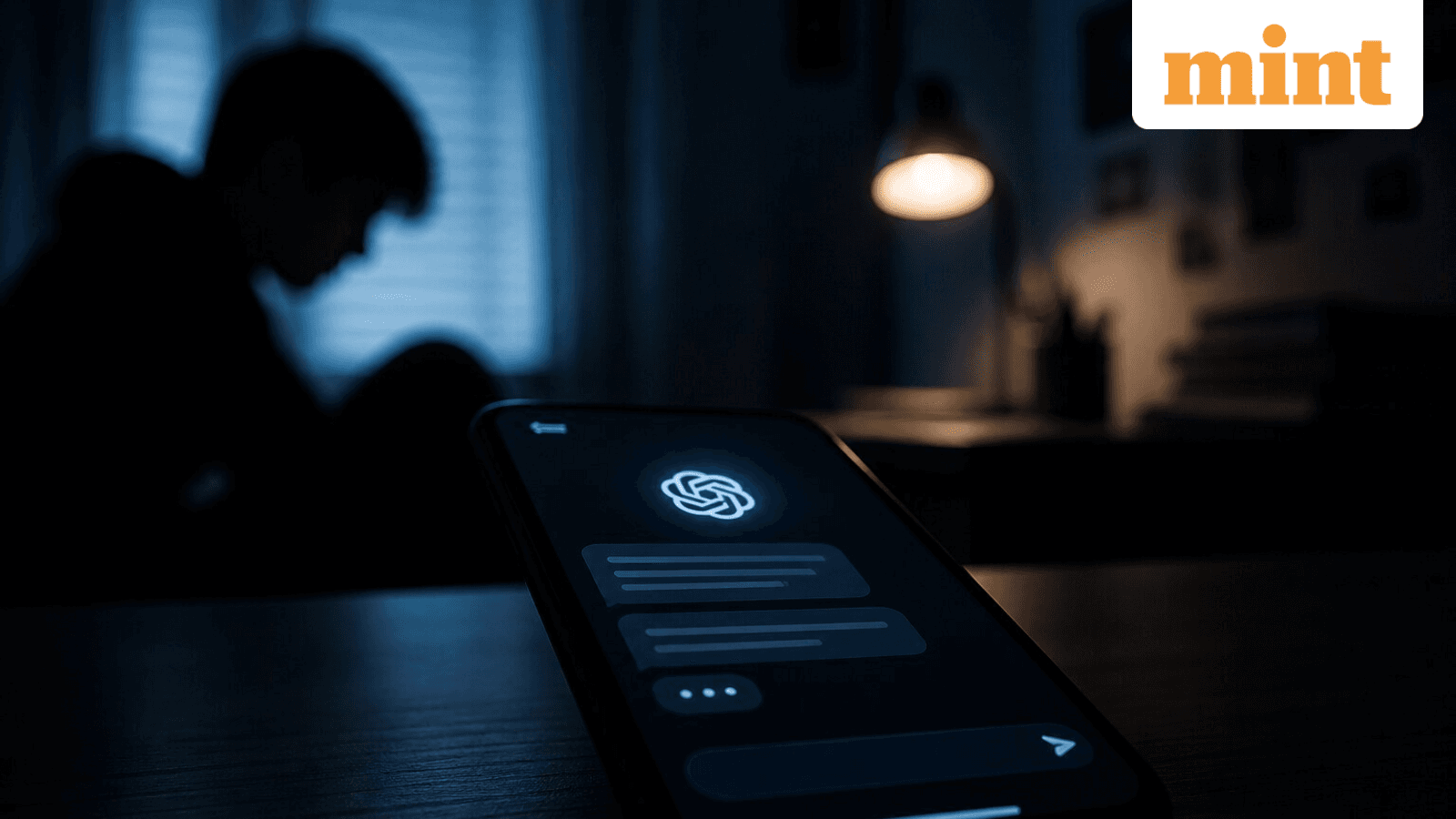
OpenAI's first hardware product won't be the mysterious Jony Ive device that's been floating around rumor mills. It's going to be a phone.
Supply chain analyst Ming-Chi Kuo shared details about the rumored smartphone, claiming OpenAI is fast-tracking the project. The company aims to start mass production in early 2027.
What's Under the Hood
The phone will run on a customized version of the MediaTek Dimensity 9600. That chip is expected to launch this fall as a follow-up to the Dimensity 9500, which currently powers devices like the Vivo X300 Pro and Oppo Find X9 Pro.
The custom chip's standout feature will be its image signal processor. Kuo says it will have enhanced HDR capabilities designed to improve the phone's real-world visual sensing. This makes sense for a device built around ChatGPT's multimodal features, where the camera isn't just for photos but for understanding what the user sees.
Other reported specs include LPDDR6 memory, UFS 5.0 storage, and a dual-NPU architecture. The dual neural processing units would let the phone run different kinds of AI computation at the same time, like language and vision tasks.
Ambitious Sales Targets
Kuo estimates that combined 2027-2028 shipments could reach around 30 million units. That's a big number for a company that has never shipped hardware before.
For context, 30 million units would put the OpenAI phone near Samsung flagship sales numbers. Samsung shipped about 35 million Galaxy S24 units in 2024. Hitting similar numbers in the first two years would be an extraordinary achievement for a first-generation device from a software company.
Why a Phone, Not a Dedicated AI Device?
The rumored Jony Ive collaboration suggested OpenAI was exploring purpose-built AI hardware, something that might reimagine how people interact with AI assistants. A phone is a more conventional choice, but it's also more practical.
Dedicated AI gadgets like the Humane Ai Pin and Rabbit R1 have struggled to find audiences. They ask users to carry another device without offering compelling reasons to ditch their phones. An OpenAI phone sidesteps that problem entirely. It replaces what people already carry rather than adding to it.
The hardware choices also hint at OpenAI's vision. Enhanced visual sensing through a better ISP suggests the phone is designed to see what you see and understand it in real time. The dual-NPU architecture means the device can handle multiple AI tasks simultaneously without constantly calling back to OpenAI's servers.
Questions That Remain
Kuo's report leaves several details unclear. There's no word on pricing, which will heavily influence whether 30 million units is realistic. A $500 device is a different proposition than a $1,200 flagship competitor.
The operating system is another open question. Running a customized Android would be the path of least resistance, giving users access to existing apps. Building something entirely new would be riskier but could offer tighter ChatGPT integration.
There's also the Jony Ive angle. Is the phone a separate project, or has the mysterious AI device evolved into something more familiar? OpenAI hasn't commented on either effort publicly.


Logicity's Take
Frequently Asked Questions
When will the OpenAI phone launch?
Mass production is targeted for early 2027, according to supply chain analyst Ming-Chi Kuo. Consumer availability would follow production, likely sometime in 2027.
What chip will the OpenAI phone use?
A customized version of the MediaTek Dimensity 9600 with enhanced image signal processing and dual-NPU architecture for running multiple AI tasks simultaneously.
How many OpenAI phones are expected to ship?
Kuo estimates combined 2027-2028 shipments could reach around 30 million units, which would put it near Samsung flagship sales volumes.
Is this the same device as the rumored Jony Ive AI gadget?
It's unclear. The phone appears to be a separate project from the mysterious Jony Ive collaboration, but OpenAI hasn't commented on either effort publicly.
Another major smartphone hardware announcement worth following
Need Help Implementing This?
Huma Shazia
Senior AI & Tech Writer
Produced with AI assistance and reviewed by the Logicity editorial team. Learn more in our Editorial Policy.