Key Takeaways
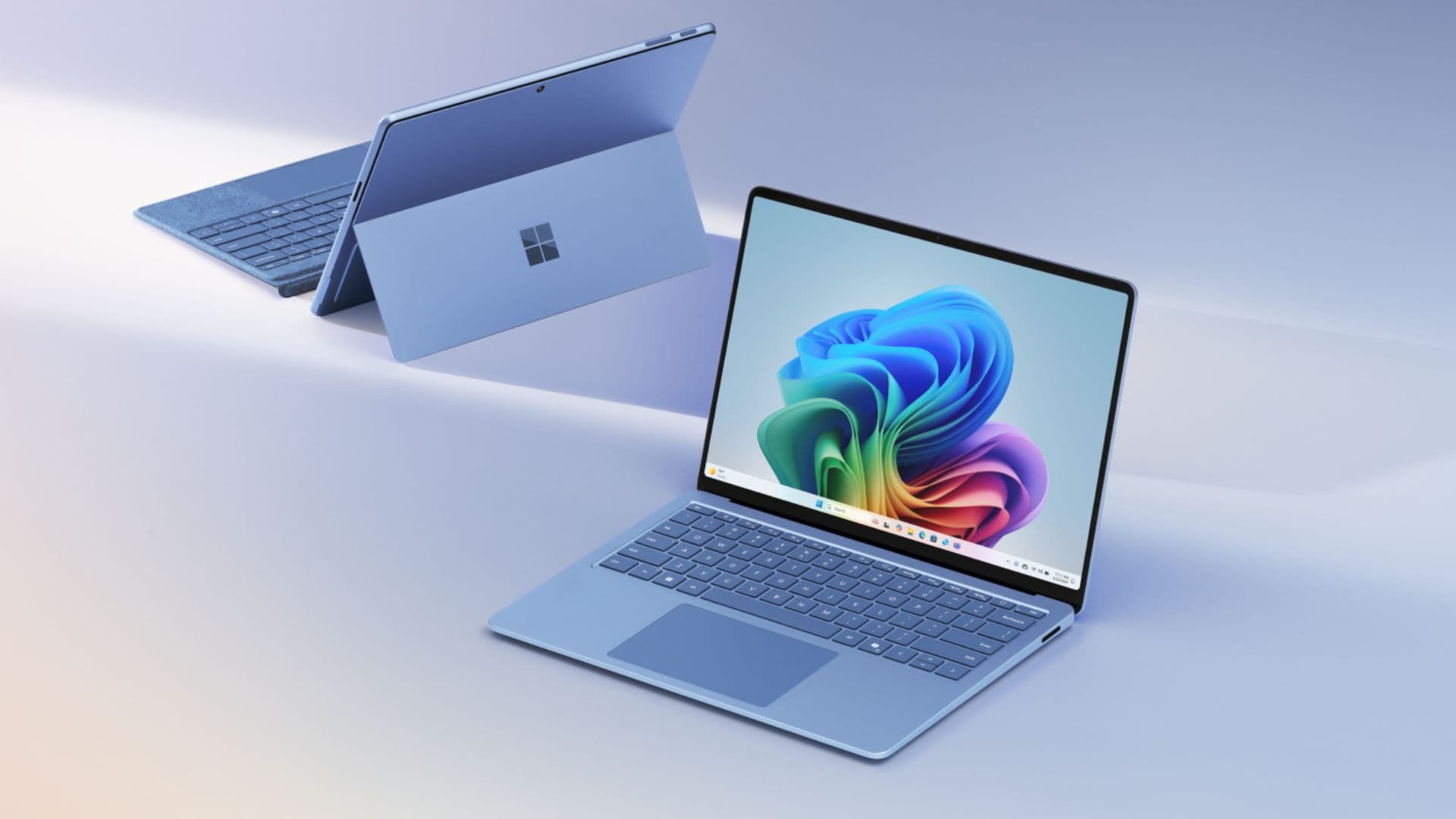
- Microsoft will release an 8GB Surface laptop at $1,300 later this year
- The device won't qualify as a Copilot+ PC despite having a 50 TOPs NPU
- Apple's competing MacBook Neo offers the same RAM at $599
Microsoft is planning to release a cheaper Surface laptop later this year. The catch: it will ship with just 8GB of RAM, which means it won't qualify as a Copilot+ PC.
The company announced new Surface Pro and Surface laptop models powered by Intel Core Ultra Series 3 chips. Microsoft claims these machines deliver up to 35% more graphics performance than the MacBook Air with M5 and up to 90% faster performance than the Surface 5.
The Pricing Problem
The new 13-inch Surface laptop starts at $1,500 for configurations with 16GB or 24GB of RAM. But buried in the announcement is mention of an 8GB version coming later this year at $1,300.
That $200 savings comes with a significant tradeoff. Despite having a 50 TOPs-capable NPU on board, the 8GB model won't meet Copilot+ PC requirements. Microsoft has confirmed that Copilot+ PCs need at least 40 TOPs of NPU power, 256GB of SSD storage, and 16GB of RAM. The cheaper Surface hits the first two marks but falls short on memory.
8GB in 2025: Is It Enough?
Even if you don't care about Copilot+ features, 8GB of RAM is thin for modern workflows. Browser tabs alone can chew through memory fast. Anyone who keeps more than a dozen tabs open knows the pain of watching their system slow to a crawl.
Microsoft is working to speed up Windows 11, but the operating system itself needs room to breathe. With 8GB, users will feel the squeeze when running multiple applications or handling larger files.
Apple's Shadow Over the Pricing
The $1,300 price tag looks especially tough when you compare it to Apple's MacBook Neo, which starts at just $599 with the same 8GB of RAM. Yes, Apple's unified memory architecture makes that 8GB work harder than it would on a Windows machine. But even the Neo feels a bit underequipped by today's standards.
The price gap has reportedly made other laptop manufacturers nervous about their own pricing structures. A $700 difference for the same amount of RAM is hard to justify, even with a "feisty Intel chip" inside.
Logicity's Take
The Memory Crisis Factor
Memory costs have been climbing, and the industry is feeling the pinch. No electronics provider is immune, including giants like Microsoft. The decision to offer an 8GB SKU likely reflects pressure to hit a lower price point while maintaining margins.
Still, for business buyers evaluating laptops for their teams, the math is simple. The 8GB model saves $200 upfront but could cost more in productivity over the machine's lifespan. Workers who need to keep multiple applications running, whether that's Slack, a browser with research tabs, a code editor, or design software, will bump into that 8GB ceiling fast.
Related: Security concerns for developers choosing work machines
What This Means for Copilot+
Copilot+ represents Microsoft's push into AI-powered computing. The features require local processing power, hence the strict hardware requirements. By releasing a Surface that can't use these features, Microsoft is essentially creating a two-tier product line: AI-ready machines and everything else.
Buyers who want the full Copilot+ experience will need to spend at least $1,500 for the 16GB model. That's the real entry point for Microsoft's AI vision, not the $1,300 the headlines might suggest.
Frequently Asked Questions
Why doesn't the 8GB Surface laptop qualify as a Copilot+ PC?
Microsoft requires Copilot+ PCs to have at least 16GB of RAM, 256GB of SSD storage, and 40 TOPs of NPU power. The 8GB model meets the NPU and storage requirements but falls short on RAM.
When will the 8GB Surface laptop be available?
Microsoft says the 8GB configuration is "coming later this year" at a starting price of $1,300.
What processor does the new Surface laptop use?
The new Surface laptops are powered by Intel Core Ultra Series 3 chips, which Microsoft claims deliver up to 35% more graphics performance than the MacBook Air with M5.
Is 8GB of RAM enough for a laptop in 2025?
For basic tasks, 8GB can work. But for multitasking, running multiple browser tabs, or professional applications, 16GB is a safer minimum. Many power users find even 16GB limiting.
How does the Surface laptop price compare to MacBook Neo?
Apple's MacBook Neo starts at $599 with 8GB of RAM. The 8GB Surface laptop will start at $1,300, more than double the price for the same memory capacity.
Need Help Implementing This?
Source: PCGamer latest
Manaal Khan
Tech & Innovation Writer
Produced with AI assistance and reviewed by the Logicity editorial team. Learn more in our Editorial Policy.