Key Takeaways
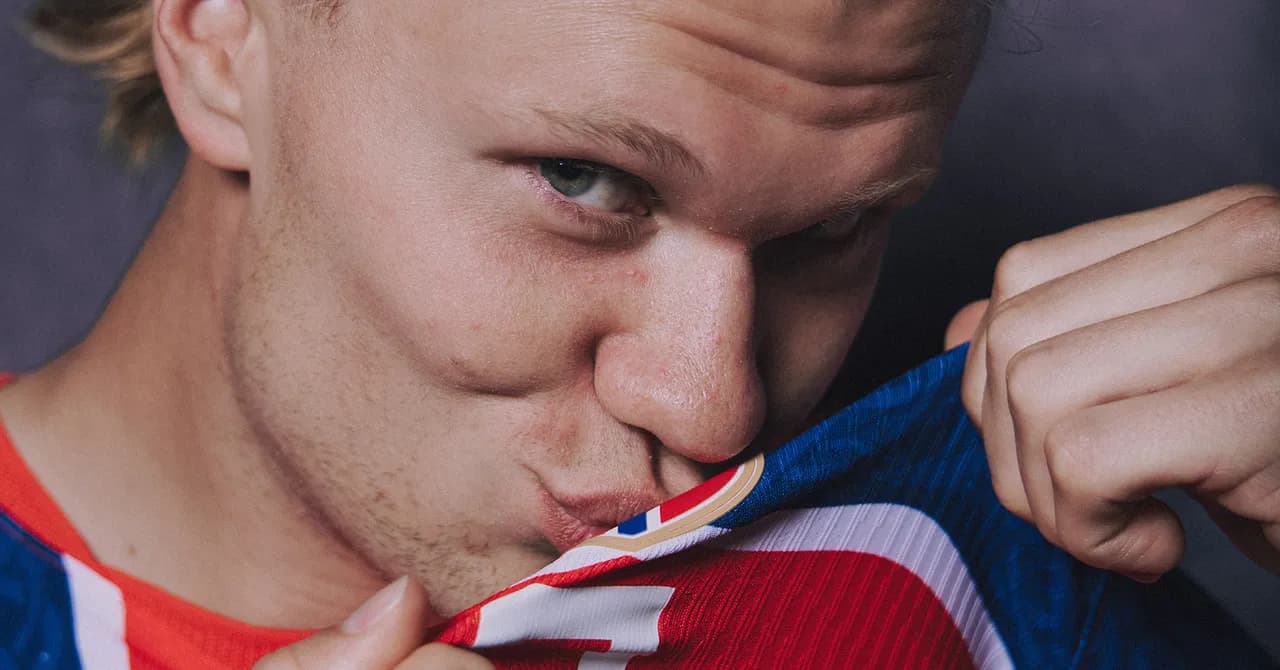
- A deepfake video of Erling Haaland went viral with 31 million views, even after being debunked
- Sports fans increasingly treat AI-generated athlete content as creative expression rather than misinformation
- Athletes are becoming 'open-source characters' whose personas can be synthesized by audiences on demand
A fake video of Erling Haaland flinching at his own reflection in a restaurant racked up 31 million views on X during the 2026 World Cup. Fact-checkers traced the footage to Chinese comedian Jin Long. The corrections came. The clip kept spreading anyway.
This is the new math of sports celebrity: an AI-generated fake doesn't need to fool everyone. It just needs to fit the character fans have already built in their heads.
Why did millions share a debunked Haaland video?
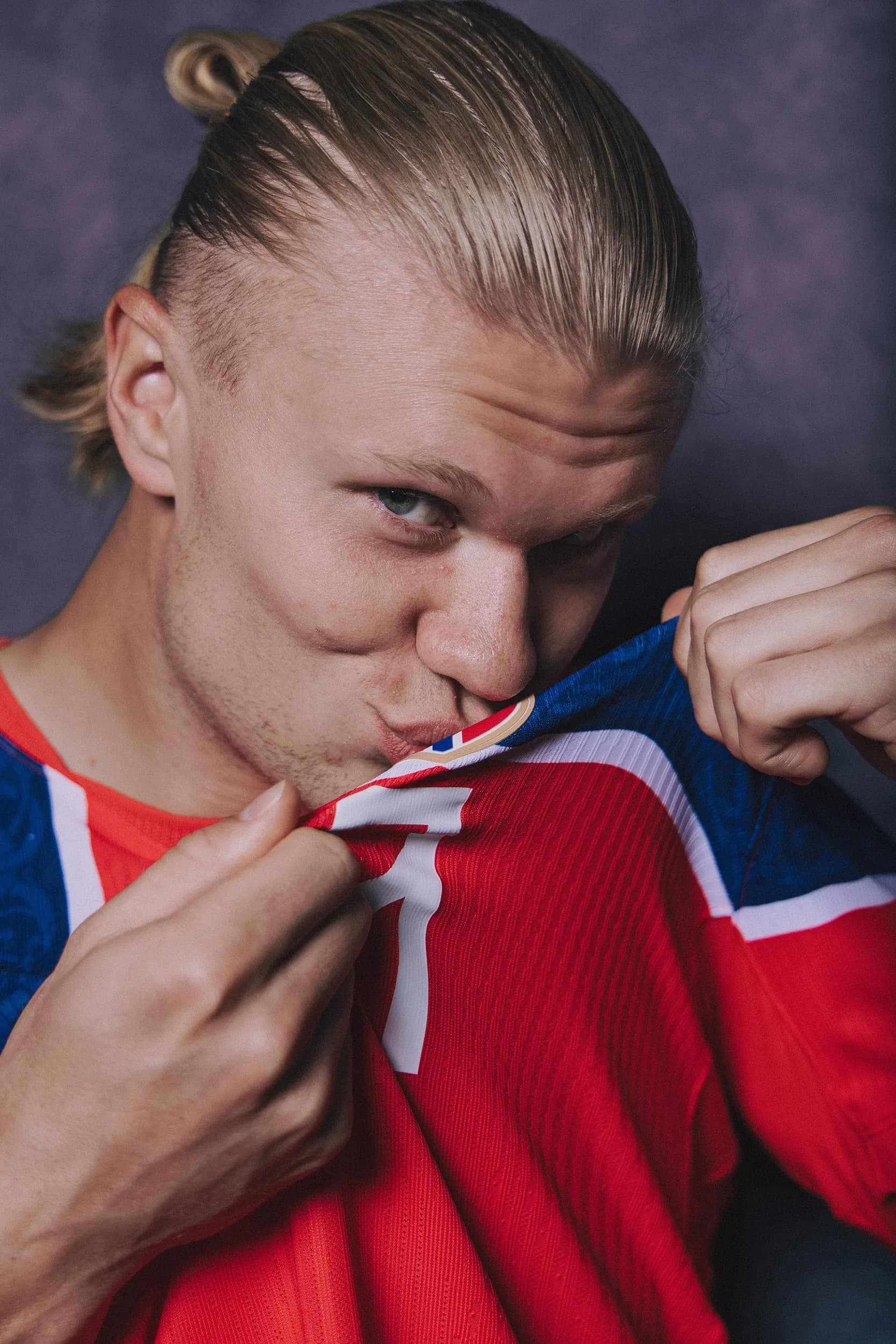
The Jin Long clip wasn't sophisticated. It wasn't even particularly convincing on close inspection. But it captured something fans already believed about Haaland. The gentle awkwardness, the easily startled golden retriever energy, the contradiction of the 6-foot-5 Viking goal machine who posts nostril-angle selfies on Snapchat.
Haaland has spent months fronting a Chinese herbal drink commercial, attempting Mandarin, and being rechristened 'Habao' (roughly 'Ha Baby') by Chinese fans delighted by his off-pitch goofiness. He launched official Douyin and Weibo accounts. Millions followed.
The viral fake emerged from this ecosystem. Not as deception, but as fan production. One artifact in what Wired calls 'an entire cottage industry of AI Haaland memes and edits, all riffing on the same joke.'
Athletes as open-source characters
Old-school celebrity required control. Publicists, NDAs, brand management. The new model inverts this. Athletes become characters so vivid that AI can extend the narrative without them.
Think of it like open-source software. The athlete provides the initial codebase. Fans fork it, modify it, ship their own versions. The 'official' release is just one distribution among many.
A report from AI sports content firm WSC Sports found Gen Z feels more connected to individual athletes than to teams. Oliver Wyman survey data shows social media content from athletes is the single largest driver of Gen Z sports engagement. The athlete-as-character matters more than the team-as-institution.
This explains why 'fanon' now travels as fast as canon. Fanon is the material audiences invent to fill gaps the official narrative leaves. Previously this happened in fan fiction forums. Now AI lets anyone synthesize it on demand.
The deepfake that wasn't a panic
Here's what's strange about the Haaland incident: the usual deepfake response didn't happen. No hand-wringing op-eds. No calls for platform intervention. Many viewers who learned the video was fake just shrugged and kept sharing.
This pattern has precedent. The @deeptomcruise TikTok account posted eerily perfect Tom Cruise deepfakes in 2021. Response: delight in the millions. An AI track mimicking Drake and The Weeknd in 2023 got streamed enthusiastically before labels pulled it. The Balenciaga Pope fooled half the internet and generated more praise for the coat than concern about AI.
If you like someone enough, you'll suspend disbelief. The content doesn't have to be real. It just has to fit.
What Haaland actually does differently
Modern footballers are supposed to be media-trained automatons. Brand-protected, anodyne, forgettable. Haaland runs the opposite playbook.
His personal Snapchat (3.3 million followers) is aggressively unpolished. Bald filters. Q&As. Comedic videos. A celebration face that looks carved into a longship, followed by silly selfies. The contradiction is the content.
This gives AI generators rich raw material. When the character is vivid enough, the fake content writes itself. The audience knows what 'Haaland behavior' looks like. They can recognize it even in synthetic footage they know isn't real.
What this means for detection and moderation
The usual deepfake playbook assumes people want accurate information. Detect fakes, label them, debunk them, problem solved. The Haaland case suggests this model breaks down when the audience actively prefers the synthetic version.
It's not that detection tools failed. Fact-checkers traced the source within hours. The corrections were published. People just didn't care. The 'fake' label became a feature, not a bug. Fan art, not misinformation.
This creates hard problems for platforms. Do you suppress content that viewers know is synthetic but enjoy anyway? How do you distinguish malicious deepfakes from creative ones? The binary real/fake framework may be the wrong frame entirely.
Logicity's Take
For AI builders working on detection and content moderation, the Haaland case shows that technical accuracy isn't enough. Your classifier might correctly flag a video as synthetic, but if the audience treats synthetic content as legitimate fan expression, the flag changes nothing. The next generation of tools needs to assess intent and context, not just authenticity. Products like Hive Moderation and Reality Defender are tackling detection; the harder unsolved problem is distinguishing celebratory deepfakes from harmful ones at scale.
Frequently Asked Questions
Was the viral Haaland restaurant video real?
No. Fact-checkers traced the footage to a skit by Chinese comedian Jin Long posted to TikTok in mid-June 2025. Despite debunking, the video continued spreading and reached 31 million views on X.
Why are Haaland deepfakes so popular in China?
Haaland has become a meme sensation there after appearing in commercials for a Chinese herbal drink, attempting Mandarin, and embracing the nickname 'Habao.' He launched official Douyin and Weibo accounts that amassed millions of followers.
What is 'fanon' in sports fandom?
Fanon refers to material audiences invent to fill gaps the official narrative leaves. AI tools now let fans generate this synthetic content on demand, creating unofficial character extensions that spread as fast as real footage.
Do deepfake detection tools work on sports content?
Leading detection tools can identify synthetic content with roughly 96% accuracy. But detection doesn't matter if audiences don't care whether content is real. In the Haaland case, corrections were published and ignored.
Need Help Implementing This?
Building content moderation or detection systems that need to handle synthetic media at scale? Contact Logicity's network of AI consultants for architecture guidance and vendor evaluation.
Source: Feed: Artificial Intelligence Latest / Megan Tomos
Manaal Khan
Tech & Innovation Writer
Produced with AI assistance and reviewed by the Logicity editorial team. Learn more in our Editorial Policy.