Key Takeaways
- Director Naoki Hamaguchi says younger players expect instant feedback from games, driving the shift toward real-time combat
- Traditional RPGs and JRPGs are increasingly viewed as "legacy genres" according to Hamaguchi
- Hybrid games mixing turn-based tactics with real-time elements may represent the future of the genre
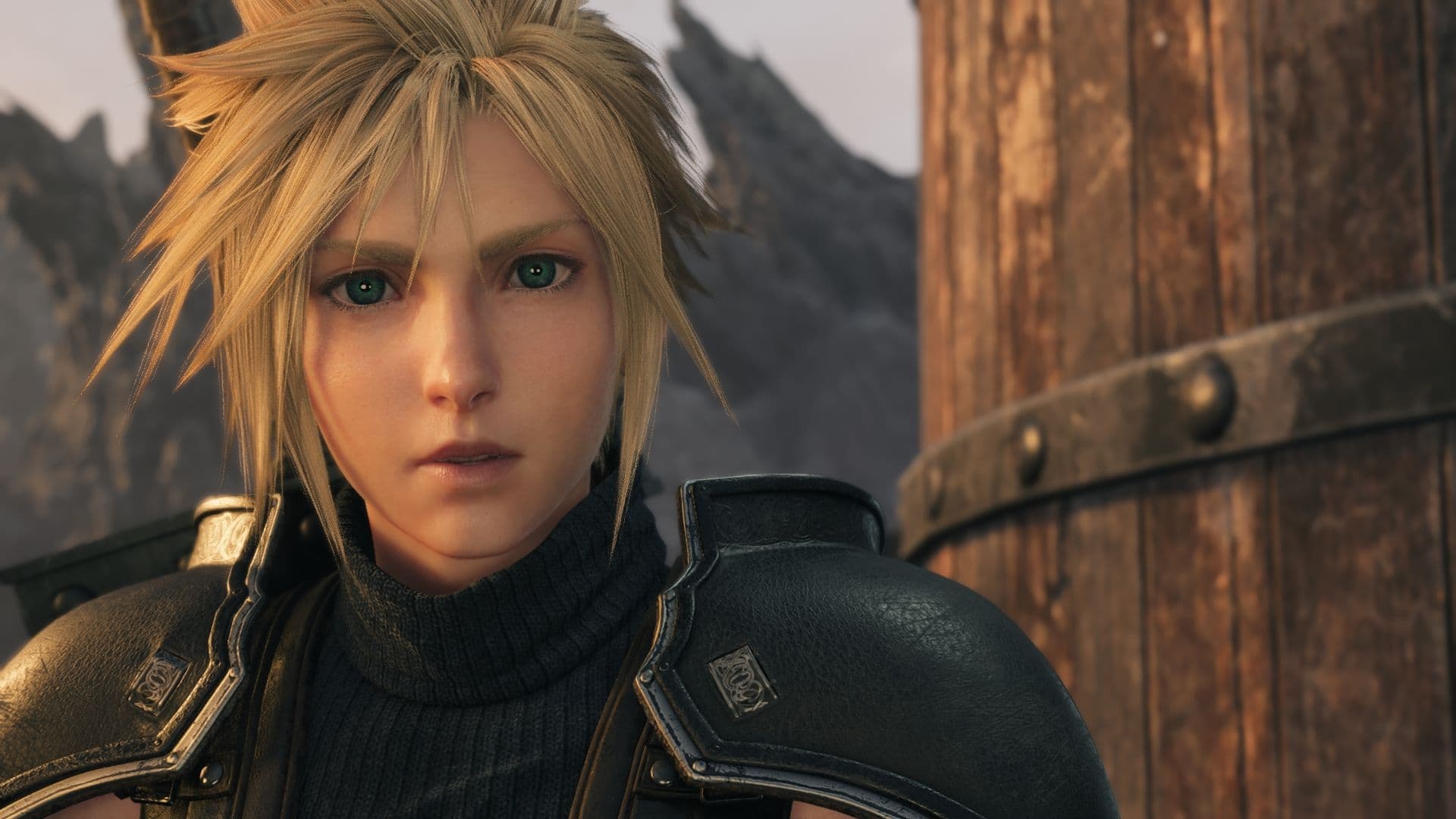
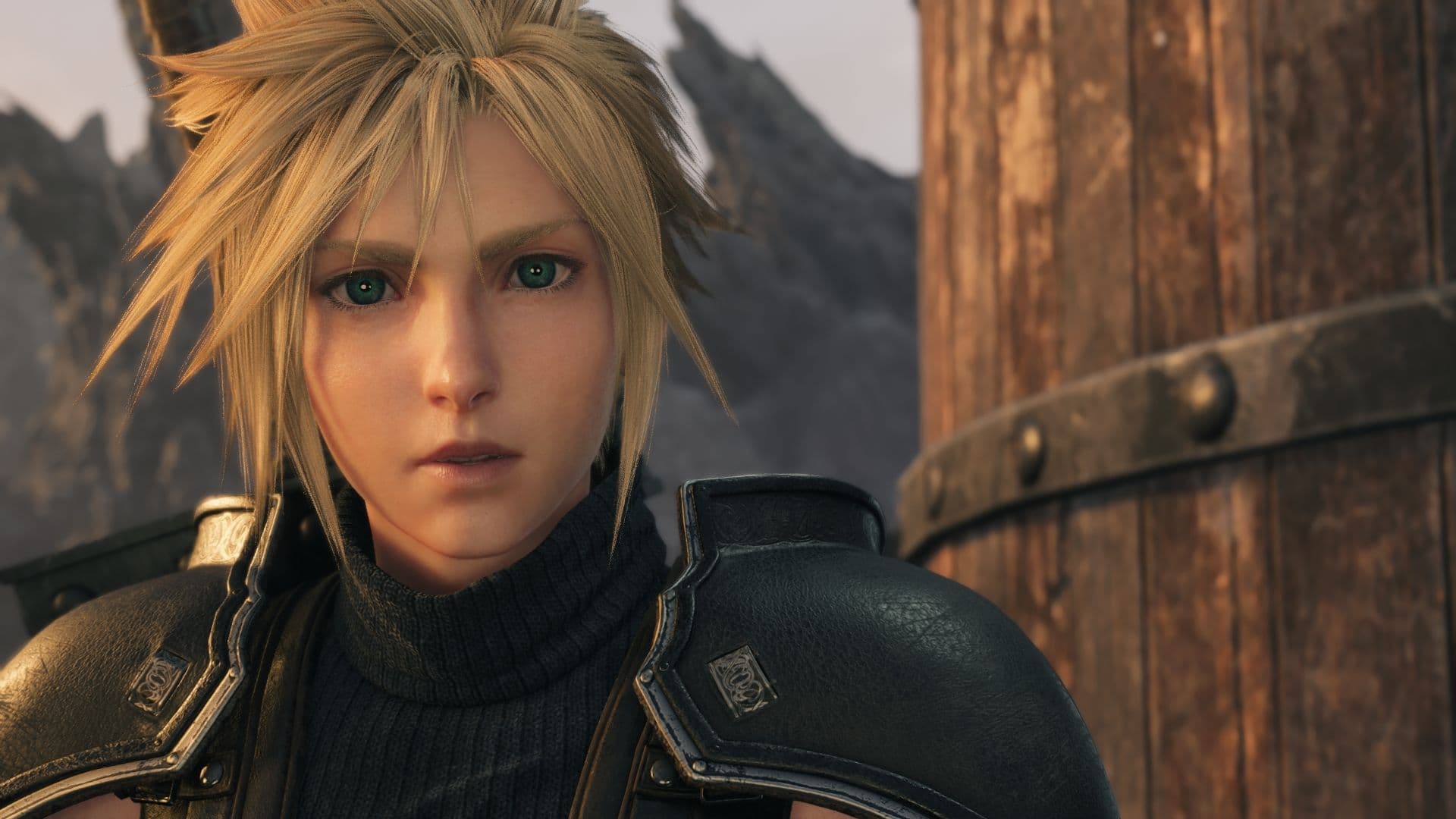
The director of Final Fantasy 7 Rebirth has weighed in on one of gaming's oldest debates: turn-based versus real-time combat. His verdict? The kids are firmly on Team Real-Time.
Speaking to Game Informer, Naoki Hamaguchi said that RPGs and JRPGs are increasingly being viewed as "legacy genres" as action-focused games become more mainstream. It's a blunt assessment from someone steering one of the most influential RPG franchises in history.
“When we look at younger players, they increasingly favour more real-time experiences in games. I believe they're a generation that's naturally accustomed to receiving instant feedback upon input.”
— Naoki Hamaguchi, Director of Final Fantasy 7 Rebirth
Turn-Based Combat Isn't Dead, Just Different
Hamaguchi isn't dismissing strategic combat outright. He acknowledged that "games where you evaluate the situation, contemplate your moves, and build upon the decisions you make are deeply universal, closely tied to the very nature of human thought." But he believes the industry tide is turning toward more reflexive, reactive experiences.
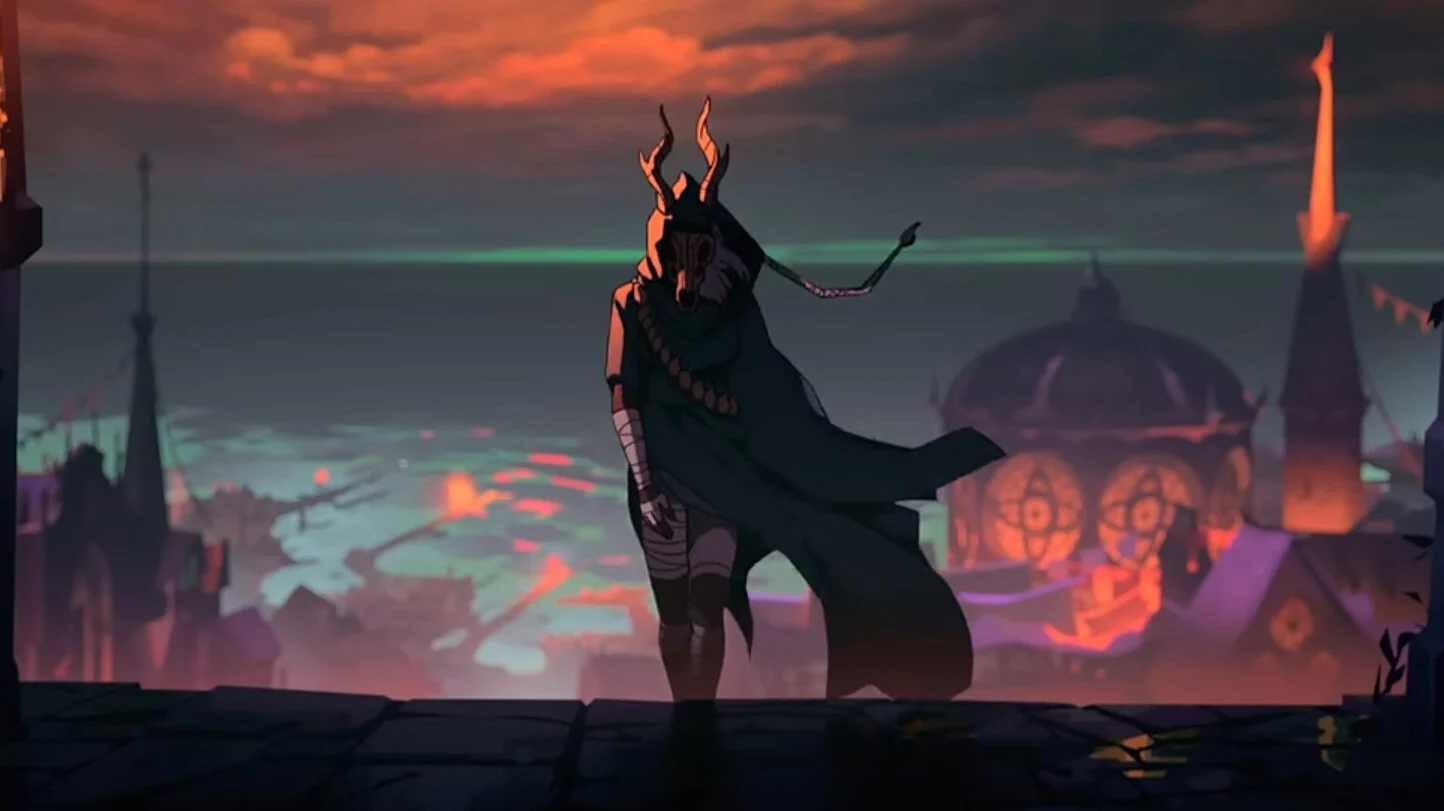
This context explains why games like Clair Obscur: Expedition 33 are attempting to split the difference. That game blends turn-based tactics with real-time reactive elements, a formula Hamaguchi sees as almost inevitable given player expectations.
“With that context in mind, it may have been inevitable for turn-based games that incorporate real-time decision-making through action elements to gain prominence. I think this reflects players' desire for both the excitement of strategy and the immediacy of response.”
— Naoki Hamaguchi
Final Fantasy's Own Evolution
The shift is visible in Final Fantasy itself. Both Final Fantasy 7 Remake and Rebirth moved to more explicitly real-time systems than the original 1997 game's Active Time Battle. The results have been commercially and critically successful.
Hamaguchi hinted this approach could continue, saying "when something works well, we constantly think about ways we can carry those elements into our next title." That's not a guarantee future Final Fantasy games will be action-focused, but it suggests the formula isn't going anywhere.
The Counter-Argument
Hamaguchi's take isn't without counterexamples. Turn-based combat never really left. It just moved around. The Persona series maintains a massive fanbase built entirely on traditional turn-based battles. Yakuza: Like a Dragon successfully pivoted the franchise from real-time brawling to turn-based tactics. Larian Studios built Baldur's Gate 3 into one of the most celebrated RPGs in years using a turn-based system.
Heroes of Might and Magic: Olden Era just brought that veteran series back with strong reception. The indie scene continues to produce turn-based hits. If turn-based is a legacy genre, it's a legacy with a lot of active inheritors.
The more accurate framing might be: younger players expect polish and responsiveness regardless of the underlying system. A sluggish turn-based game feels archaic. A snappy one feels intentional. The issue isn't turns versus real-time. It's friction versus flow.


Logicity's Take
What This Means for RPG Development
For studios making RPGs, the takeaway isn't "abandon turn-based combat." It's "reduce friction everywhere." Animations need to be skippable or fast. Menus need to be responsive. Loading times need to be invisible. The cognitive experience of strategy can remain. The physical experience of waiting should not.
Square Enix has clearly decided the Final Fantasy 7 remake trilogy works better with real-time action. That's a valid creative choice for that specific project. It's not a universal verdict on what RPGs should be.
Frequently Asked Questions
Is Final Fantasy 7 Rebirth turn-based or real-time?
Final Fantasy 7 Rebirth uses a real-time combat system with ATB (Active Time Battle) elements. Players control characters directly in action combat while building up meters to execute special abilities.
Why did Final Fantasy move away from turn-based combat?
According to director Naoki Hamaguchi, younger players increasingly prefer real-time experiences with instant feedback. The remake trilogy's action focus reflects this shift in player expectations.
Are turn-based RPGs still popular?
Yes. Games like Persona 5, Baldur's Gate 3, and Yakuza: Like a Dragon have achieved major commercial and critical success with turn-based systems. The genre remains viable when executed well.
What is Clair Obscur: Expedition 33?
A new RPG that blends turn-based tactical combat with real-time reactive elements. It represents a hybrid approach that Hamaguchi sees as a natural evolution of the genre.
Need Help Implementing This?
Source: PCGamer latest
Huma Shazia
Senior AI & Tech Writer
Produced with AI assistance and reviewed by the Logicity editorial team. Learn more in our Editorial Policy.