Key Takeaways
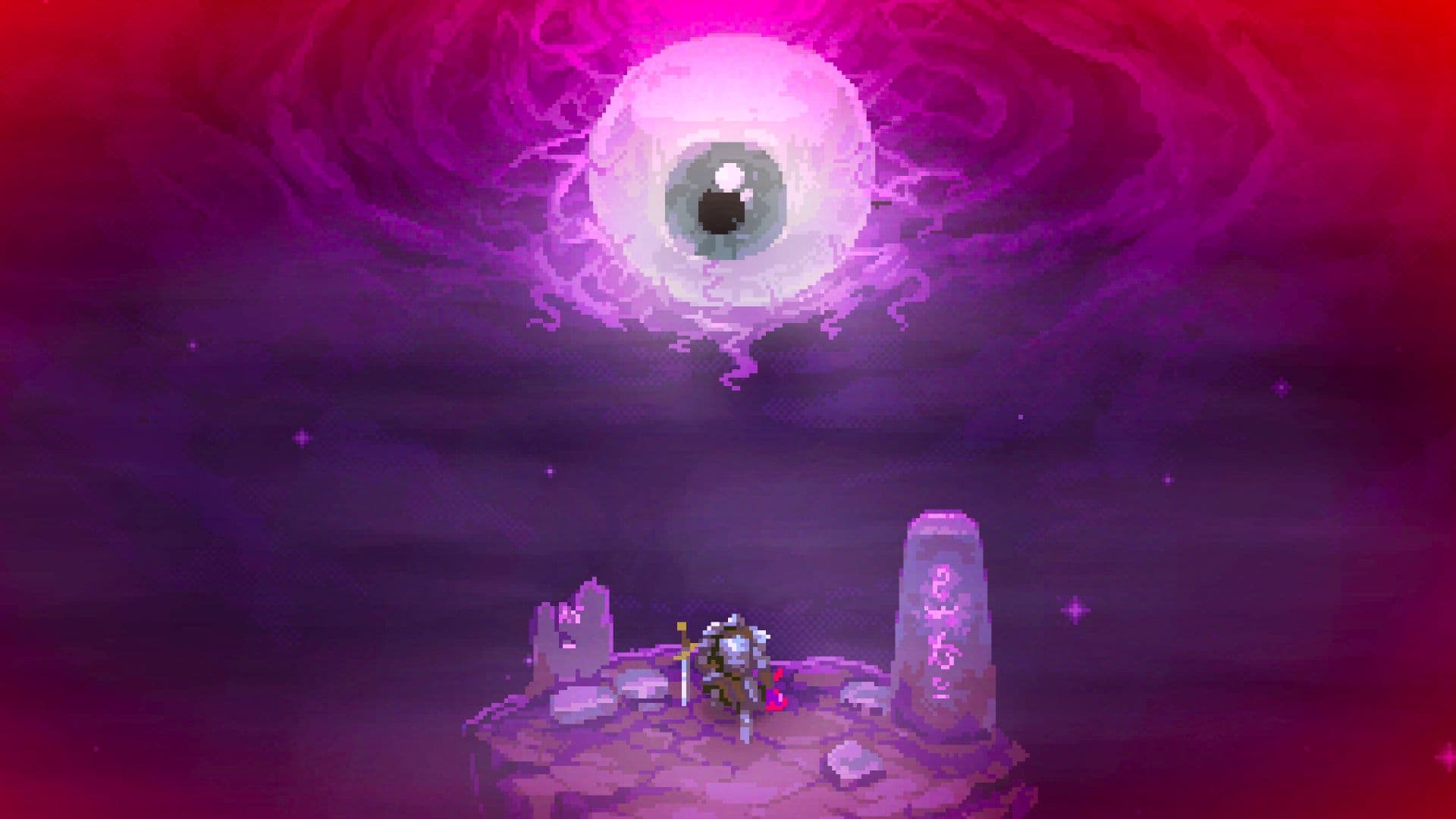
- Cursemark launched into Steam Early Access today from Clyde Games
- The rune-stacking system lets players reach devastating power levels within 15 minutes
- Visual clarity during chaotic late-run combat needs improvement
Steam gets flooded with a dozen roguelike action RPGs every month. Most take hours before you feel powerful. Cursemark, which dropped into Early Access today, gets you there in 15 minutes.
Developer Clyde Games built a spell customization system that stacks runes onto basic abilities. A simple fireball picks up damage modifiers, size increases, and status effects as your run progresses. The result: trails of fire so thick you can't see what you're fighting.
Soulslike Meets Roguelike
Cursemark borrows from both camps. The combat feels closer to a soulslike than a traditional roguelike. Enemies are tanky. Dodge rolls matter. You can't just spam attacks and expect to survive.
But the progression loop is pure roguelike. Each run offers random rune drops that modify your spells. The longer you survive, the more ridiculous the combinations get. One run might turn your fireball into a screen-wide inferno. Another might stack defensive ice spells that coat your character in protective layers.

Casey Clyde, the solo developer behind Cursemark, previously released Into the Necrovale. That game shares Cursemark's DNA: pixel art, skeleton enemies, hundreds of items that combine into powerful builds. Fans who enjoyed mowing down waves of monsters in that game will find familiar ground here.
The Power Scaling Problem
Every run of Cursemark is about surviving long enough to tip the scales. Early on, you're dodging carefully and picking your fights. Twenty minutes in, you're a walking apocalypse.
That power curve is satisfying. It's also the game's biggest current weakness.
“I had enough runes stacked onto my fireball in one run that I could barely see what I was fighting behind the trails of fire covering the battlefield.”
— PCGamer staff writer
Visual clarity becomes a real issue as effects stack up. Late-run enemies swing massive swords that can shred your health bar. If you can't see those attacks coming through your own flame effects, you die to things you couldn't anticipate. The game needs better visual hierarchy to separate player effects from incoming threats.

Progression and Unlocks
Cursemark lets you swap runes at any point during a run. That flexibility encourages experimentation. Found a rune that doesn't fit your current build? Slot it out and try something else.
The game's hub area offers permanent unlocks. A vendor sells different elemental spell schools that persist across runs. Want to focus on shock spells with higher critical chances? You can unlock that path and build around it.
Ultimate abilities add another layer. One summons a cloud of hornets that chase enemies around the arena. These require saving up currency, so they're not available in every run.
Early Access Roadmap
Clyde Games plans to expand Cursemark significantly during the Early Access period. The current version has enough content to keep players replaying the first few levels, but the studio has outlined months of planned additions.
The game is built on the Heaps.io engine, a Haxe-based framework. It's the same tech stack Clyde used for Into the Necrovale, which suggests the developer knows how to ship content on this platform.
Logicity's Take
Should You Buy It Now?
Early Access means incomplete content and potential bugs. If you loved Into the Necrovale, Cursemark offers a meatier combat system with similar build-crafting satisfaction. If you prefer waiting for polished releases, check back in a few months.
The game is available on Steam today. No pricing was mentioned in the source material.
Frequently Asked Questions
What type of game is Cursemark?
Cursemark is a roguelike action RPG that blends soulslike combat with traditional roguelike progression. Players customize spells using a modular rune system.
Who developed Cursemark?
Casey Clyde at Clyde Games developed Cursemark. They previously released Into the Necrovale, which shares similar gameplay DNA.
Is Cursemark finished?
No. Cursemark launched into Steam Early Access today. The developer plans to add significant content over the next several months.
How long does a Cursemark run take?
Runs vary based on player skill and luck. The game can produce screen-clearing power levels in as little as 15 minutes.
More new game releases to explore this week
Need Help Implementing This?
Source: PCGamer latest
Manaal Khan
Tech & Innovation Writer
Produced with AI assistance and reviewed by the Logicity editorial team. Learn more in our Editorial Policy.