
Key Takeaways
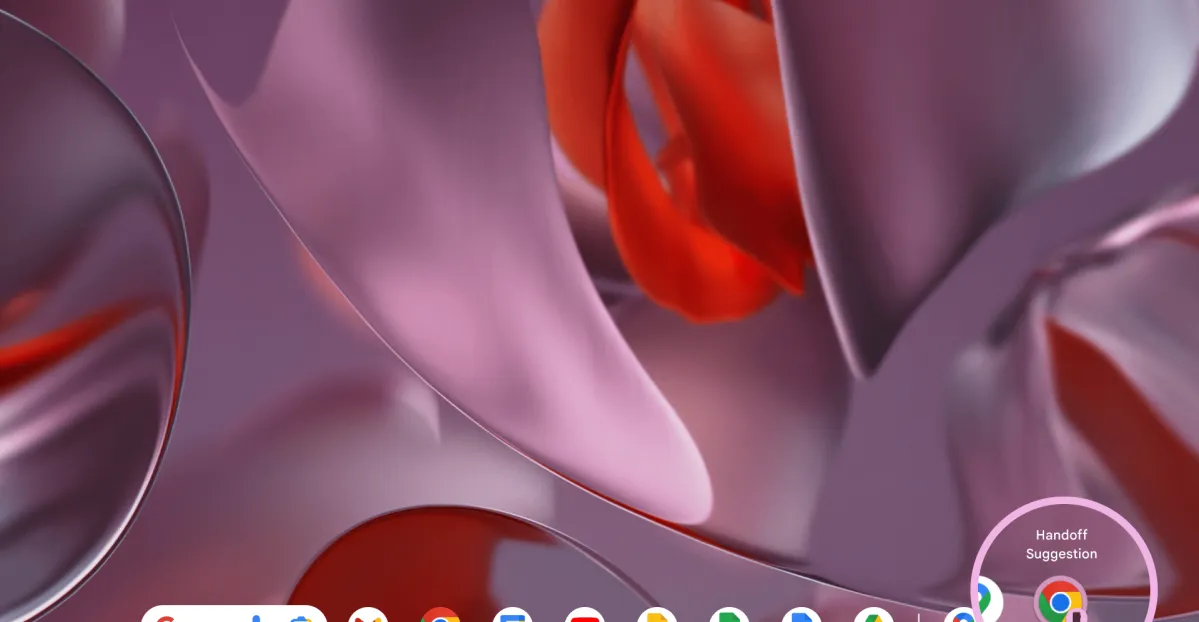
- Continue On will launch in Android 17's RC1 build, supporting phone-to-tablet task handoffs first
- The feature shows your most recently used phone app in the tablet's dock for one-tap continuation
- Combined with Googlebook laptops, Google is building an Apple-like cross-device ecosystem
What Continue On Actually Does
Google announced Continue On at I/O 2026, finally giving Android users something iPhone and iPad owners have had for years. The feature lets you start working on your phone and pick up exactly where you left off on a compatible Android tablet.
Here's how it works: Android tablet users will see a Continue On icon in their dock. That icon shows the most recently used app from their phone, assuming the same app is installed on the tablet. Tap it, and you're right back in your document, email, or whatever you were doing.
Google says Continue On can also detect when a task would be better continued in a browser. If you were using a web-based service on your phone, it might open the tablet's browser to the right page instead of launching the app.
The Catch: It's One-Way at Launch
There's a significant limitation. At launch, Continue On only works in one direction: phone to tablet. You can't start something on your tablet and pick it up on your phone. Google says bidirectional support is planned but hasn't committed to a timeline.

The company also hasn't announced when the RC1 build of Android 17 will arrive. That's the release candidate version where Continue On will first become testable. Users running Android betas should watch for updates, but there's no firm date yet.
Part of a Bigger Push
Continue On doesn't exist in isolation. Last week, Google announced Googlebook laptops running Android. Put these together and you can see Google's strategy: build an ecosystem where your work flows between phone, tablet, and laptop without friction.
Apple has done this for years with Handoff, Universal Clipboard, and AirDrop. You can start an email on your iPhone, continue it on your iPad, and finish it on your Mac. For Android users, that kind of coordination has mostly required third-party apps or cloud workarounds.
If Google executes well, Continue On could be the foundation for true cross-device Android interoperability. The question is whether Google will extend it beyond tablets to Googlebooks, Chromebooks, and Wear OS devices.
What Apps Will Work?
Google hasn't published a list of supported apps. The requirement that an app be installed on both devices suggests Continue On will work broadly, not just with Google's own apps. But the depth of integration could vary.
Opening the same app is easy. Opening it to the exact document, email thread, or scroll position requires apps to support the feature. Expect first-party Google apps like Docs, Gmail, and Chrome to work seamlessly. Third-party app support will likely vary at launch.

Logicity's Take
Frequently Asked Questions
When will Android 17 Continue On be available?
Continue On will be available in Android 17's RC1 (release candidate 1) build. Google hasn't announced a specific date for that release.
Does Continue On work from tablet to phone?
Not at launch. Initially, Continue On only supports moving tasks from a phone to a tablet. Google says bidirectional support is planned for later.
What apps work with Continue On?
Google hasn't published a full list. Any app installed on both your phone and tablet should appear in the Continue On dock, but the depth of integration may vary by app.
How is Continue On different from Apple Handoff?
The concept is similar. Apple Handoff works across iPhone, iPad, and Mac in both directions. Continue On currently only works phone-to-tablet and doesn't yet support laptops.
Another look at emerging tech trends
Need Help Implementing This?
Handoff Types and Browser Fallback Support
The new article introduces specific technical details regarding 'app-to-app' versus 'web' handoffs, including a fallback system that opens tasks in a browser if the target app is not installed. It also clarifies that developers must specifically implement the feature for their apps to support this continuity.
Huma Shazia
Senior AI & Tech Writer
Produced with AI assistance and reviewed by the Logicity editorial team. Learn more in our Editorial Policy.




