Key Takeaways
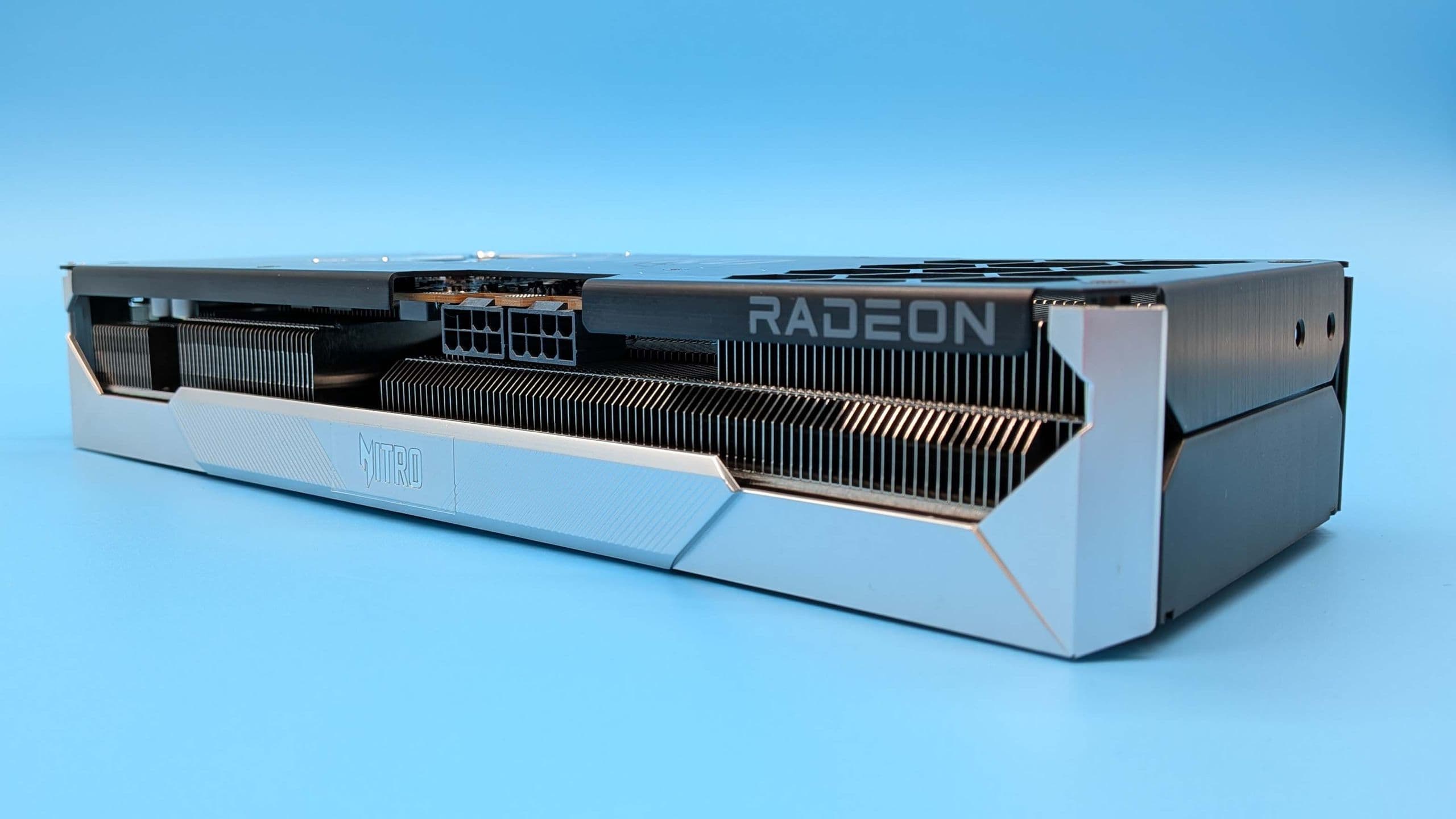
- AMD RDNA 5 expected in late 2027 or early 2028, per graphics card makers at Computex
- This creates a 2.5 to 3-year gap from RDNA 4, breaking the traditional two-year GPU cycle
- Both AMD and Nvidia are slowing consumer GPU releases as AI hardware takes priority
AMD's next-generation graphics architecture is further away than many gamers hoped. Reports from Computex, citing conversations with graphics card manufacturers, place RDNA 5's arrival in late 2027 or possibly early 2028.
Dutch tech site Tweakers spoke with several board partners at the show. One manufacturer expected RDNA 5 in the second half of 2027. Another called that timeline too optimistic, predicting a late 2027 or early 2028 launch instead.
If accurate, this means a roughly 2.5 to 3-year gap between generations. AMD released its current RDNA 4 cards, including the Radeon RX 9070 XT, in March 2025. RDNA 3, topped by the Radeon RX 7900 XTX, launched in December 2022.
The Two-Year Cycle Is Breaking Down
Both AMD and Nvidia historically released new GPU families every two years. That cadence has started to slip. RDNA 4 arrived 27 months after RDNA 3. If RDNA 5 doesn't land until late 2027, that's 30 months or more between generations.
Nvidia faces similar delays. The RTX 5090 launched in January 2025, roughly 27 months after the RTX 4090's October 2022 release. At Computex, Nvidia said its Vera Rubin chip, an APU combining CPU and graphics, would arrive in 2028. That's not a pure gaming GPU, but it's the closest signal we have for Nvidia's next-gen consumer timeline.
AI Is Eating GPU Development Cycles
The AI boom has reshaped chip industry priorities. Foundry capacity that once served gaming GPUs now produces AI accelerators with higher margins. Data center hardware generates more revenue per wafer than consumer graphics cards.
This shift shows in wafer allocation. Top foundries have reportedly increased AI-focused GPU wafer production by roughly 45% year-over-year. Gaming GPUs compete for whatever capacity remains.
Some observers speculate AMD's rumored UDNA unified architecture is also causing delays. The company may be reworking its entire GPU strategy rather than iterating on RDNA.
A Silver Lining for Pricing?
There's an argument that later is better. Current GPU prices remain elevated, driven by AI demand and tight silicon supply. If AMD pushes RDNA 5 out, the company has more time for the supply chain to normalize.
That's the optimistic view. The pessimistic one: if AI demand keeps rising, RDNA 5 could arrive late and expensive. PC gamers have watched hardware prices spiral for years. A 2028 launch guarantees nothing about affordability.
What This Means for Current-Gen Cards
The Radeon RX 9070 series and its successors will remain AMD's flagship gaming products for at least two more years. For buyers, this removes urgency to wait for next-gen. The cards on shelves today are the cards you'll be buying throughout 2026 and likely into 2027.
Reddit communities are frustrated. Users on r/hardware and r/AMD note that the extended cycle makes current cards "the only choice for way too long." Some are debating whether to buy now or hold out, knowing the wait could extend past two years.
Logicity's Take
Frequently Asked Questions
When will AMD RDNA 5 be released?
According to graphics card manufacturers at Computex, RDNA 5 is expected in late 2027 or early 2028. This is not confirmed by AMD.
Why is AMD RDNA 5 delayed?
The delay appears linked to broader industry shifts. Foundries are prioritizing AI hardware over gaming GPUs, and AMD may be reworking its architecture toward a unified UDNA design.
Should I wait for RDNA 5 or buy RDNA 4 now?
With RDNA 5 potentially 2+ years away, current-gen cards like the Radeon RX 9070 XT will remain AMD's flagship for an extended period. There's no immediate need to wait.
Is Nvidia also delaying next-gen GPUs?
Yes. Nvidia's Vera Rubin chip is slated for 2028, and the RTX 5000 series arrived later than the traditional two-year cycle would suggest.
Another look at how major tech companies are managing hardware development timelines
Need Help Implementing This?
Source: PCGamer latest
Huma Shazia
Senior AI & Tech Writer
Produced with AI assistance and reviewed by the Logicity editorial team. Learn more in our Editorial Policy.